Delving Deeper

When I say Lunar New Year, what comes to mind? Do you know why we celebrate it? Why it is important? To me, Lunar New Year celebrations bring to mind performances, firecrackers, the culture of my parents’ birthplaces, tradition, and most of all, family. At home, I always partook in the festivities as a dragon dancer, performer and volunteer. I have fond memories of friends and family and the day brought me closer to my heritage. Hundreds of people would come to the festival; kids would play carnival games, parents…

An Identity

The idea of identity is, to me, a very personal one.  Our experiences, characteristics, and biographies go hand in hand to make us unique.  We live our lives, crafting “who we are” consciously and unconsciously.  Within my life as a Filipino living within the United States, I have always considered myself Filipino at heart.  I was born, bred, and baptized in the Philippines and no amount of cultural assimilation was going to take that away.  Some older Filipinos may disagree however, since I am more “Americanized.”  For instance, I respond…

Mitski and the Melancholic Adulthood of Puberty 2

Many Asian Americans can find it difficult to talk about their mental states (see Washington Post’s article For many Asian Americans, depression is an unfamiliar word). Mitski Miyawaki, self-described “half Japanese, half American but not fully either”, sings about depression, loneliness, love, and other forms of melancholy in her fourth studio album Puberty 2. At 26 years old, her work reflects that of a young woman still in the throes of uncertainty. Her voice captures the pain, however subdued it may seem, that adulthood depression can bring. Her singing can…

Questions for Jim Crow from the Curious Asian

Where do I sit on the bus? If there is a white man in my seat, do I wait for the next bus? Am I colored if I am darker than the brown paper bag? If I have a half-black child, will you hold your tongue before them because you know not which slur to use? If I am in love with a white man, will I be the only hell-bound one? If you baptize my son in your church today, will he be welcome in your school tomorrow? If…

Passing Privilege

Hi, my name is Melissa McKinney.  Based on that single sentence no one would ever guess I’m Asian American. I can see the surprise in their eyes when I catch them off guard as they try to comprehend my Anglo-Sazon name belonging to my Asian appearance. I can’t even remember how many times I’ve been told that my last name doesn’t sound very Asian as if I didn’t know that already. It is my name. Someone once suggested to me that I go by my middle name (my Chinese name) in order…

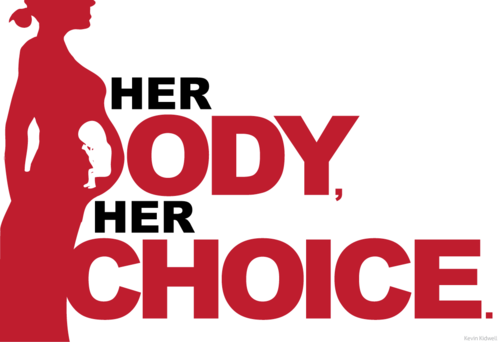
The Prenatal Nondiscrimination Act Discriminates Against Women of Color

Criminalizing Women’s Choice Does Not Combat Problems in Our Society On April 14, 2016, the Prenatal Nondiscrimination Act of 2016 was introduced by the House of Representatives, and then referred to the House of Representatives Judiciary Committee. This panel, made up entirely of men, discussed the merits of criminalizing abortions that are based on the sex and race of the fetus. To be clear, such legislature, if passed, would have the greatest impact on women of color and immigrant women, leaving Asian-American women especially vulnerable to scrutiny for sex-selective abortion.…

Course One: Literature

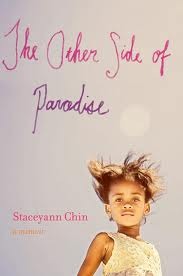
Course One – Literature This course seeks to examine contemporary Asian American literature through its different parts: novels, short stories, and personal essays. While reading all of the texts is highly recommended, the course objectives can be applied to individual texts as well. Prominent themes that emerge throughout the readings in this course include form, national identity, intergenerational family, blackness, and fiction versus nonfiction. Course Readings Novels Native Speaker by Chang-Rae Lee The Other Side of Paradise by Staceyann Chin Short Stories & Essays “The Paper Menagerie” by Ken Liu…

Course Two: Poetry

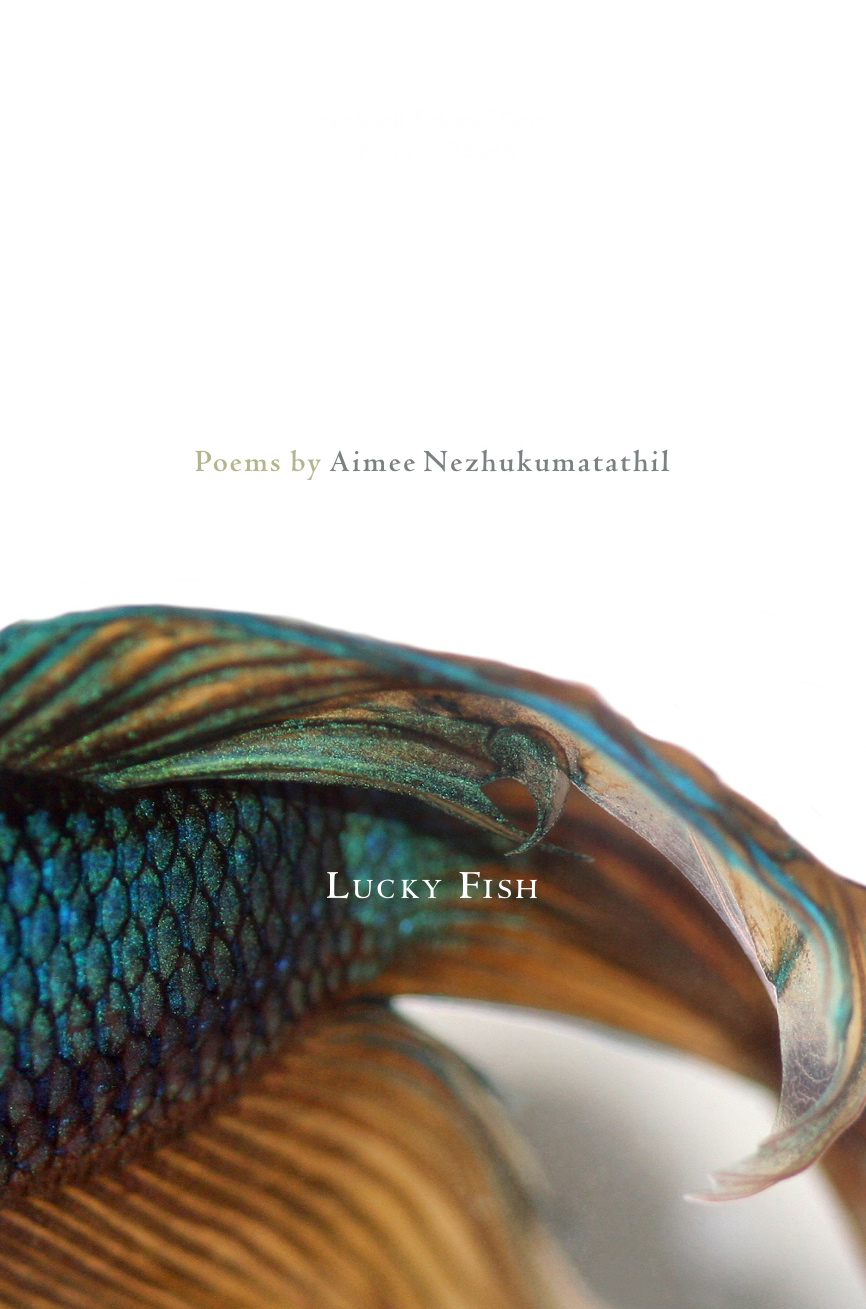
Course Two – Poetry This course seeks to examine how Asian American poets have utilized page poetry as narrative storytelling. Particularly, it seeks to interrogate how Asian American writers have used poetry in a distinct way from literature to express complex lived realities. Themes in the readings include the production of history, biracialism, postmodernism, Asian futurism, immigrant masculinity, colonialism, and language. Course Readings Collections Engine Empire by Cathy Park Hong Lucky Fish by Aimee Nezhukumatathil Poems “The Gift” by Li-Young Lee “Thaw” by Jane Wong “March of the Hanged Men”…

Course Three – Hybrid Storytelling

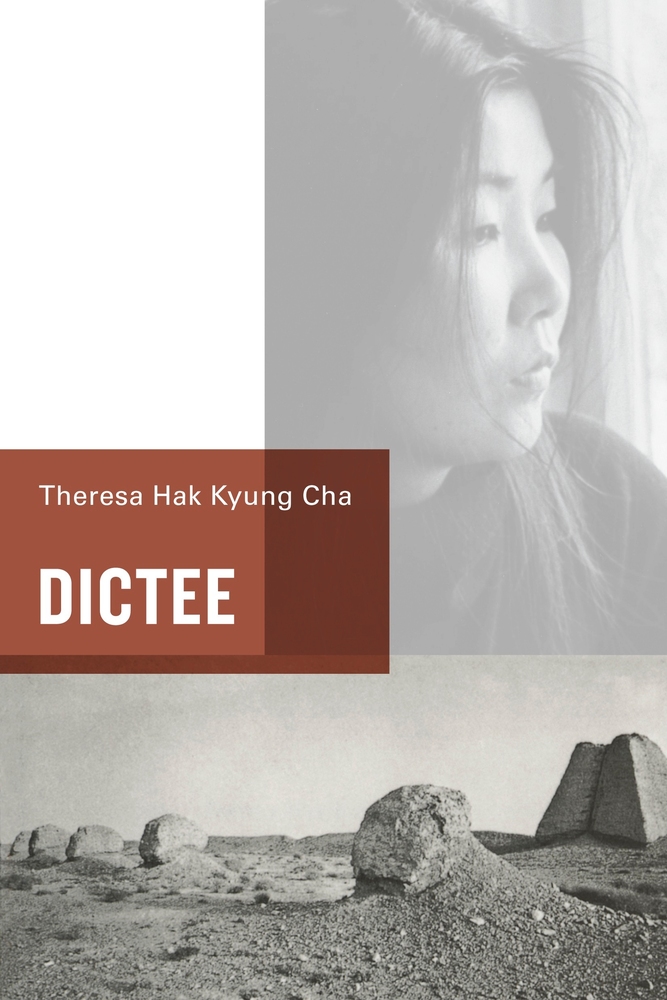
This course seeks to expand the conventional understanding of Asian American narrative storytelling beyond literature and poetry. Particularly, it engages with new forms and mediums afforded by the modern era that blur the line between traditional forms. The seminal text in this section, Dictee, is a postmodern work demanding complex analysis and secondary sources. This section also explores spoken word poetry as a unique vehicle for Asian American narrative expression. The central themes in this section include fragmented identity, gender, sexual assault, queerness, imperialism, language, and family. Suggested Readings Hybrid…